
Mortality and the Temptation of Forever
Made for LoveThe conflict between natural death and technological life extension shapes Hazel’s choices about her father and Byron’s ambitions.
increasing Bearing strength in each event
 decreasing
Bearing strength in each eventdecreasingThe Immortal CEO
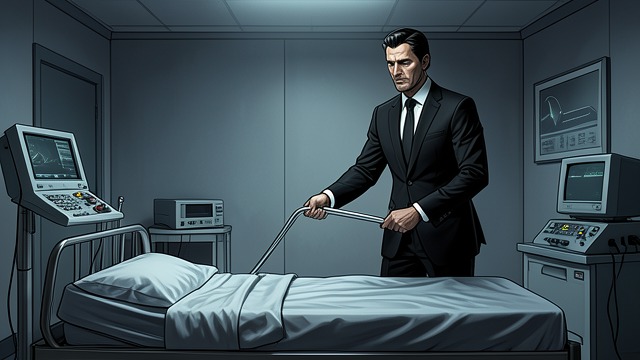
The Immortal CEO
Byron’s ideal
Byron says that he would welcome an immortal CEO and would accept a successful transformation into a robotic body. He sees technological progress as a route beyond biological limits.
Hazel’s dread
Hazel finds the idea frightening because death has become one of the few imagined exits from the marriage. Their disagreement reveals that what Byron calls progress can feel to Hazel like permanent confinement.
A Father Near the End
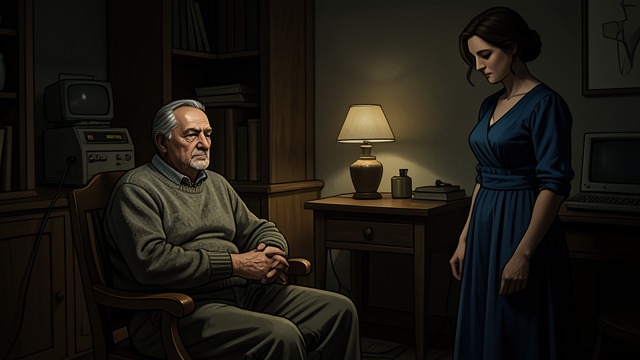
A Father Near the End
A chosen limit
Hazel’s father has already stopped most cancer treatment and wants to remain at home. His decision is shaped by what he witnessed during Hazel’s mother’s illness and by his desire for control over his final days.
A conflict of care
Hazel wants more time and fears losing him, but she cannot make his life-extension choices on his behalf. Love does not resolve the disagreement over what a good ending should be.
The Promise of Gogol Care
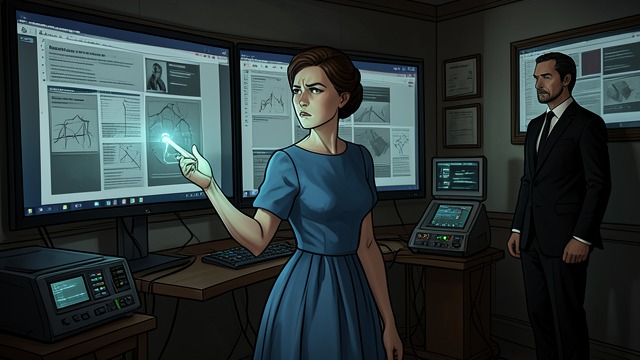
The Promise of Gogol Care
A technological promise
Byron claims that advanced treatment may save Hazel’s father, making Gogol’s medical capabilities appear to challenge the limits of ordinary care. The offer carries hope as well as coercion.
The unresolved question
Hazel cannot tell whether refusing treatment would honor her father or abandon him. The novel does not make technological intervention automatically evil, but it questions who gets to decide when more life is desirable.
The Actual Death
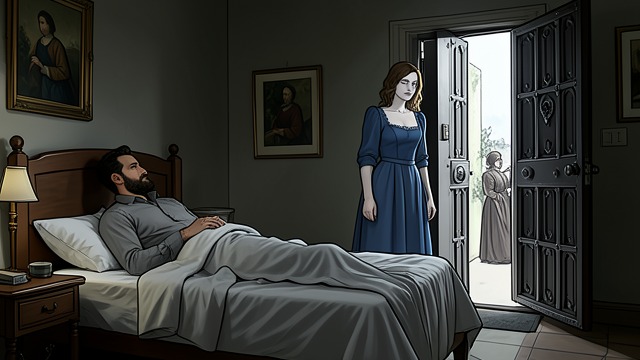
The Actual Death
An unengineered ending
Hazel’s father dies without entering Gogol’s facility. His body’s failure is immediate, physical, and not made meaningful by a medical breakthrough.
Meaning remains uncertain
Hazel feels anticlimax rather than a clear revelation. Her response resists both Byron’s view that death is a defect and the comforting belief that mortality automatically supplies wisdom.
A Death in the Machine
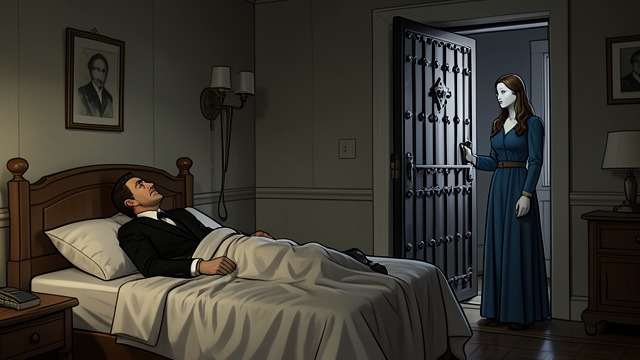
A Death in the Machine
Byron’s final night
Leaked footage shows Byron struggling in a sleep helmet before his death. The public account describes a technological malfunction, while Hazel suspects that Fiffany deliberately intervened.
An ambiguous reckoning
Byron’s death ends his direct control over Hazel, but the uncertainty around it prevents simple moral closure. The man who sought to master mortality dies amid the devices meant to manage it.
During Hazel and Byron’s marriage
After Hazel learns of her father’s cancer
The day Byron offers treatment for Hazel’s father
The afternoon Hazel’s father dies at home
After Hazel has escaped and Byron’s new marriage begins
